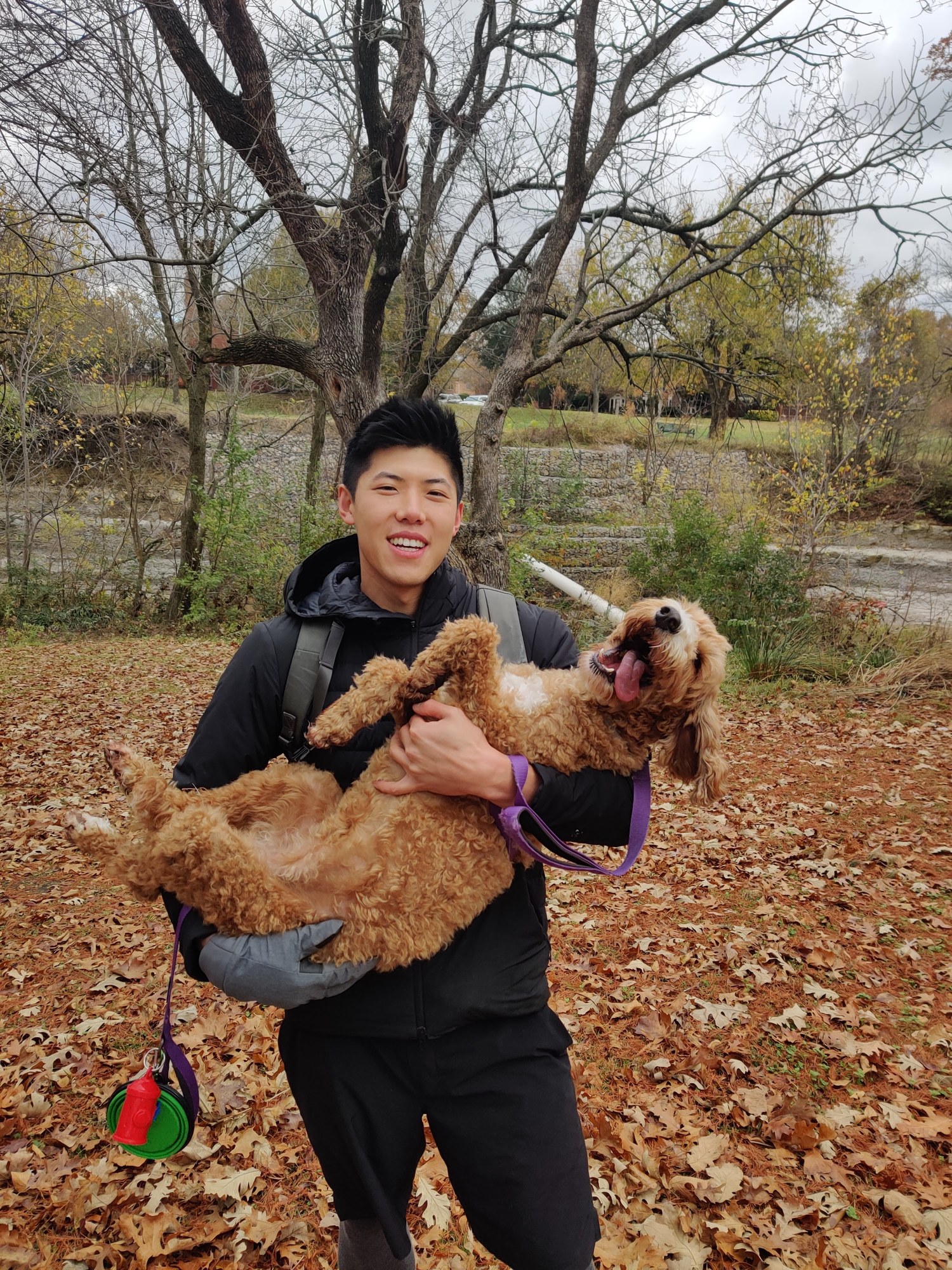
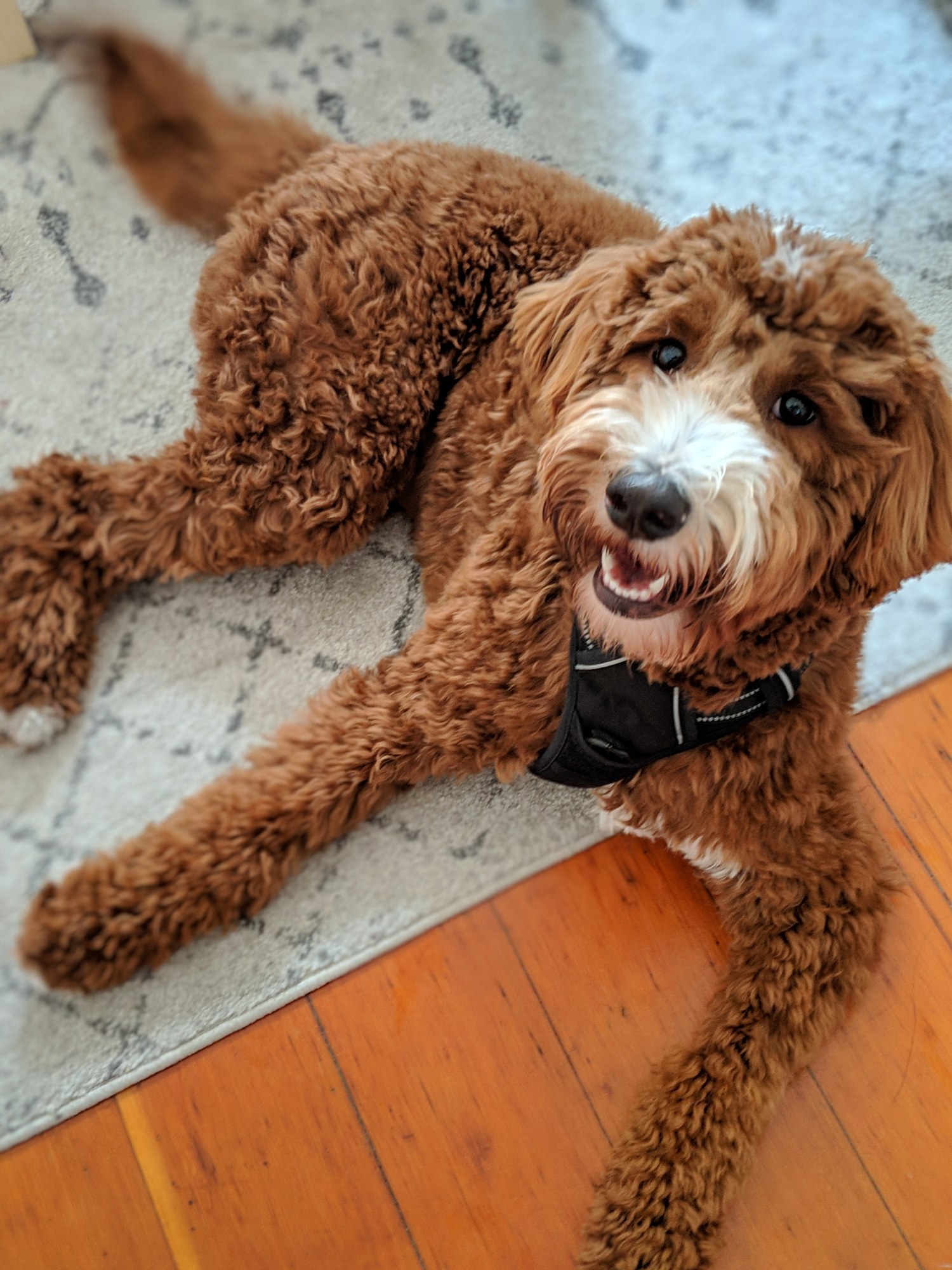
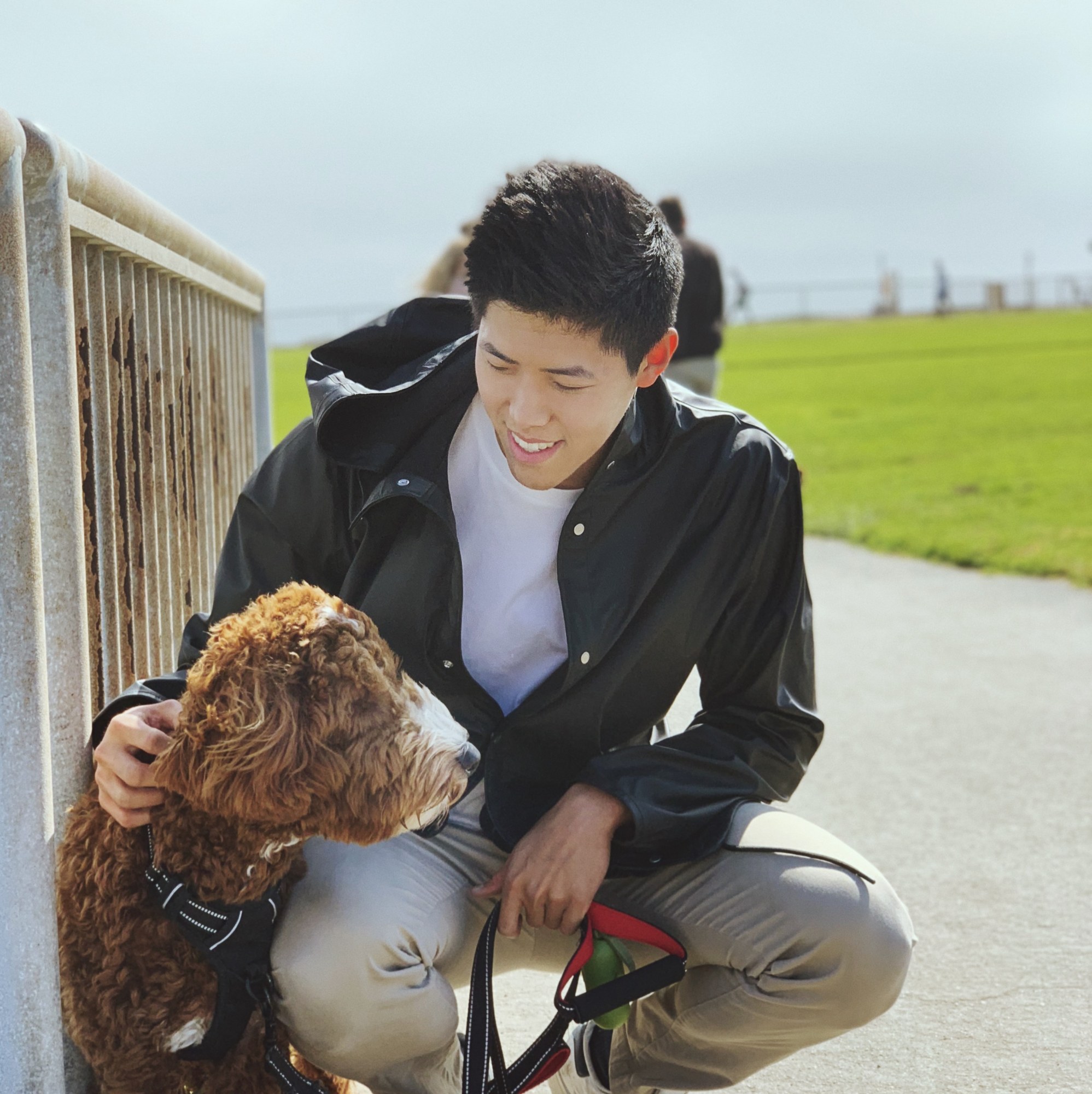
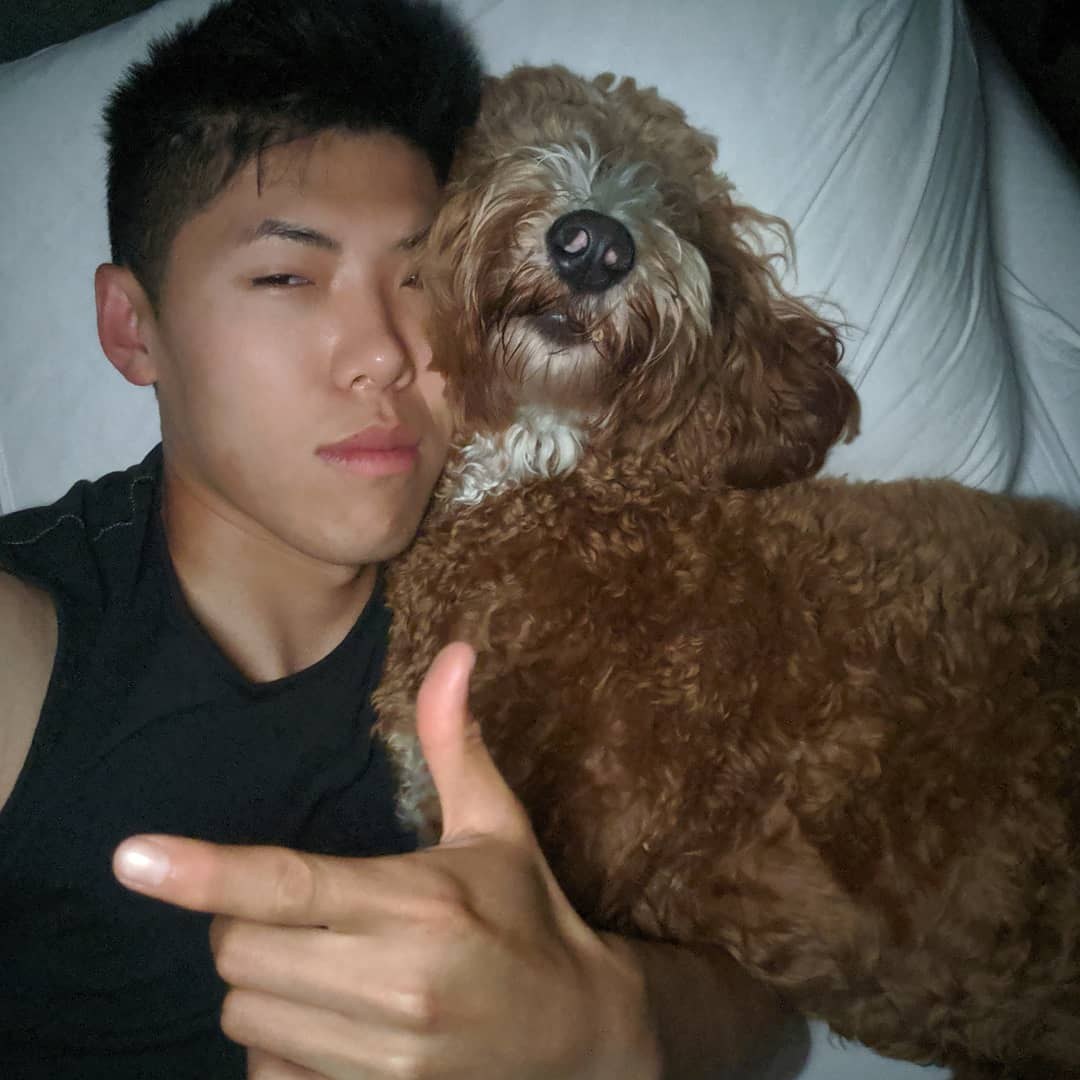
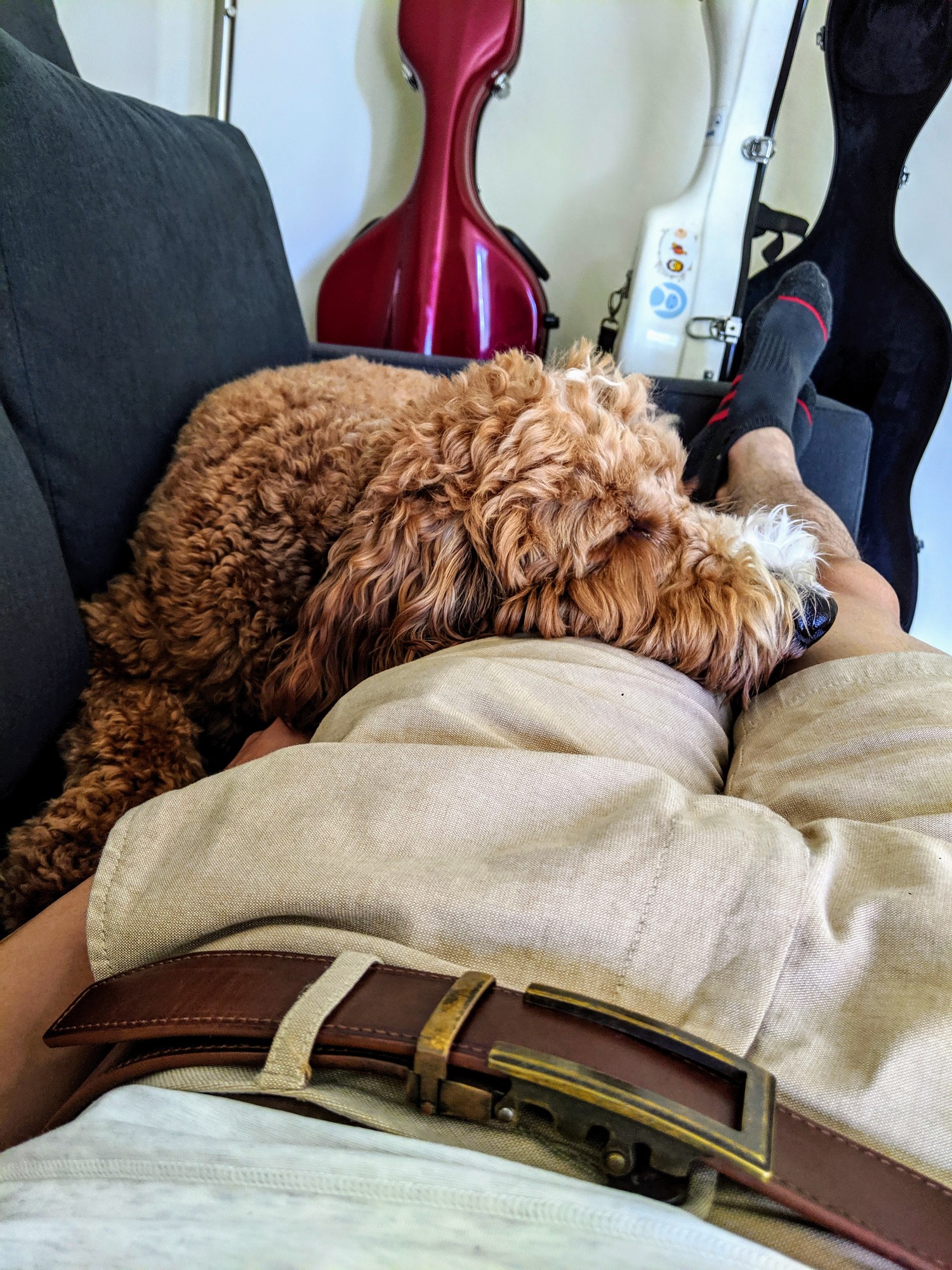
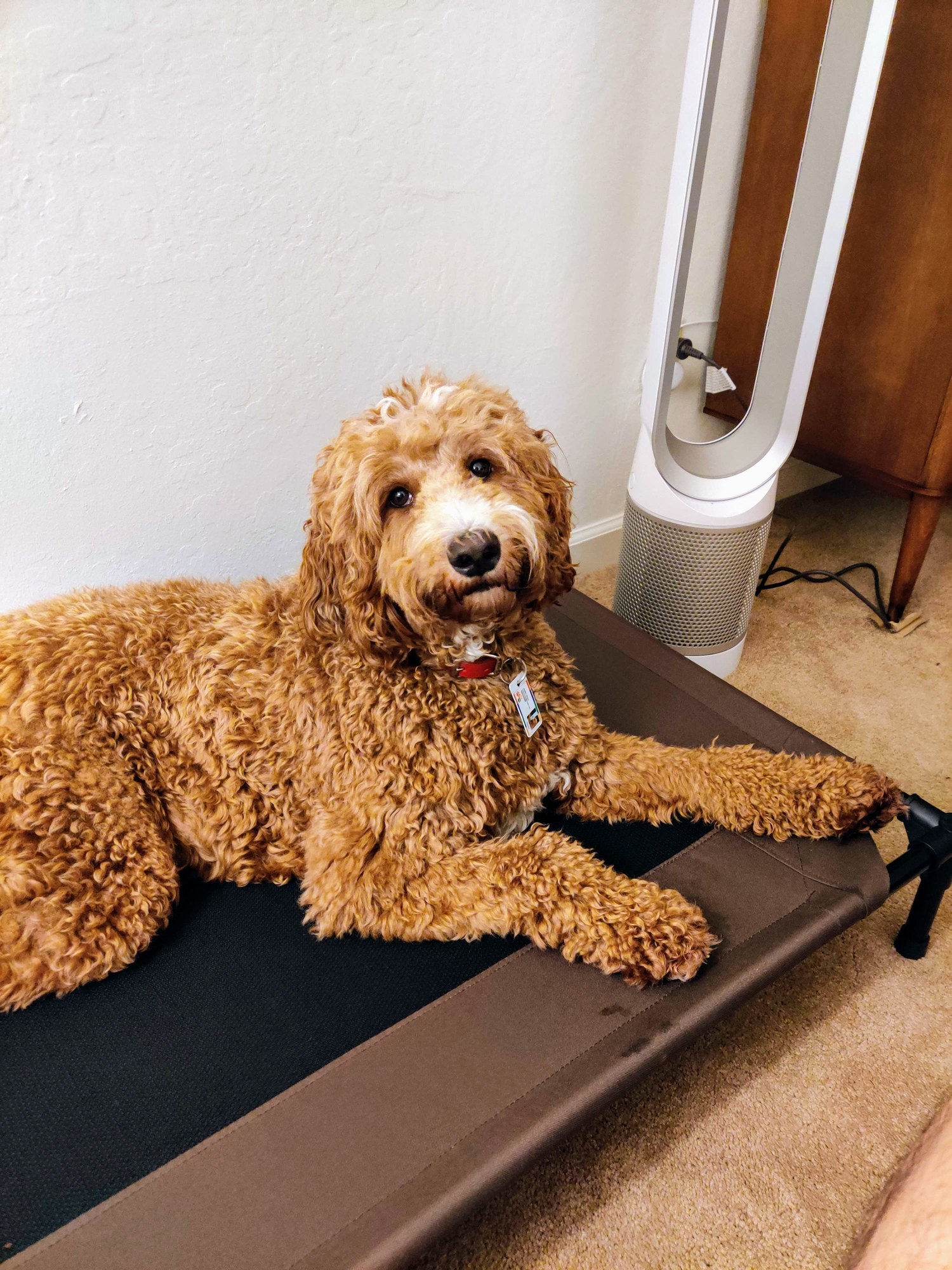
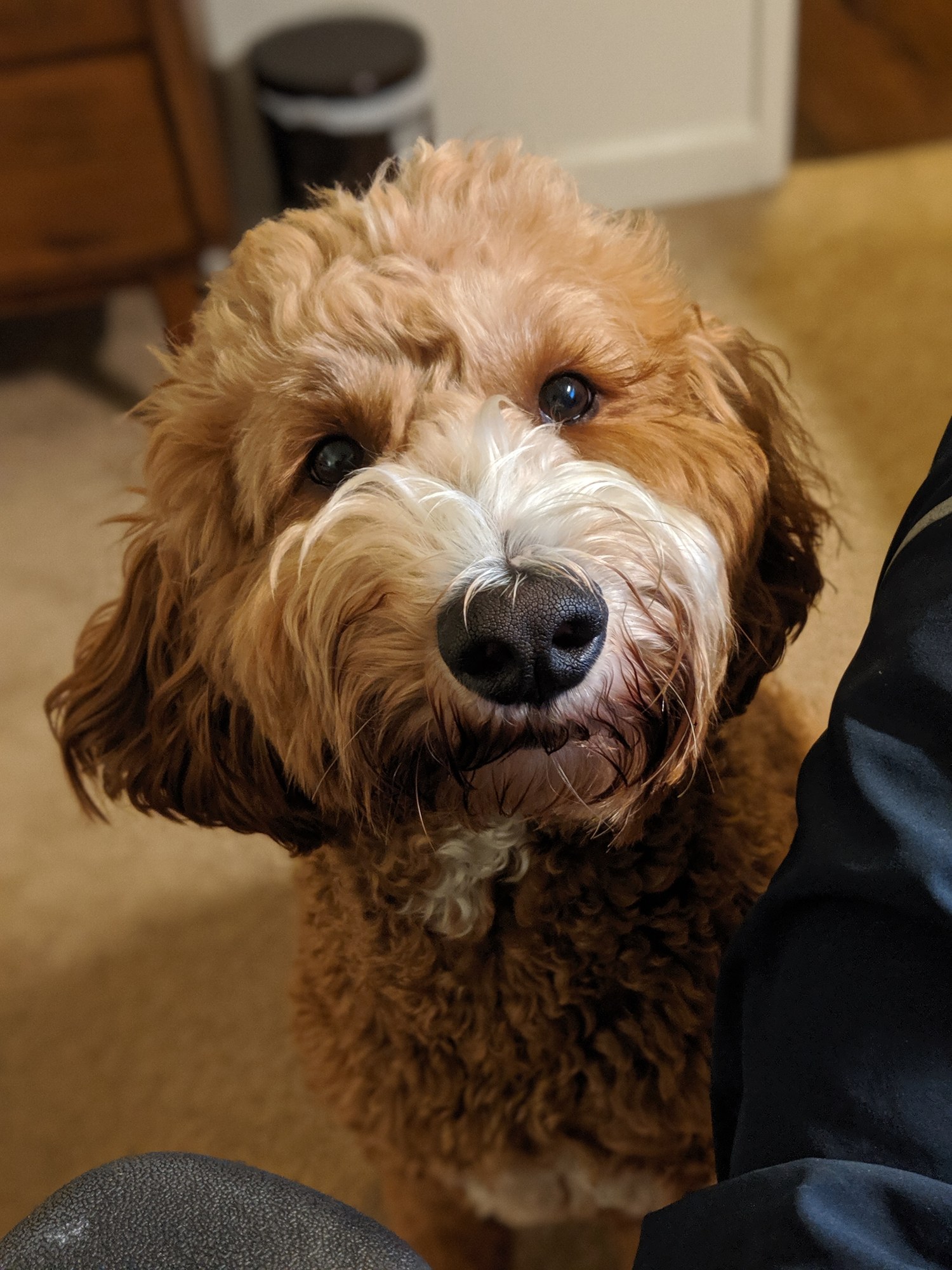
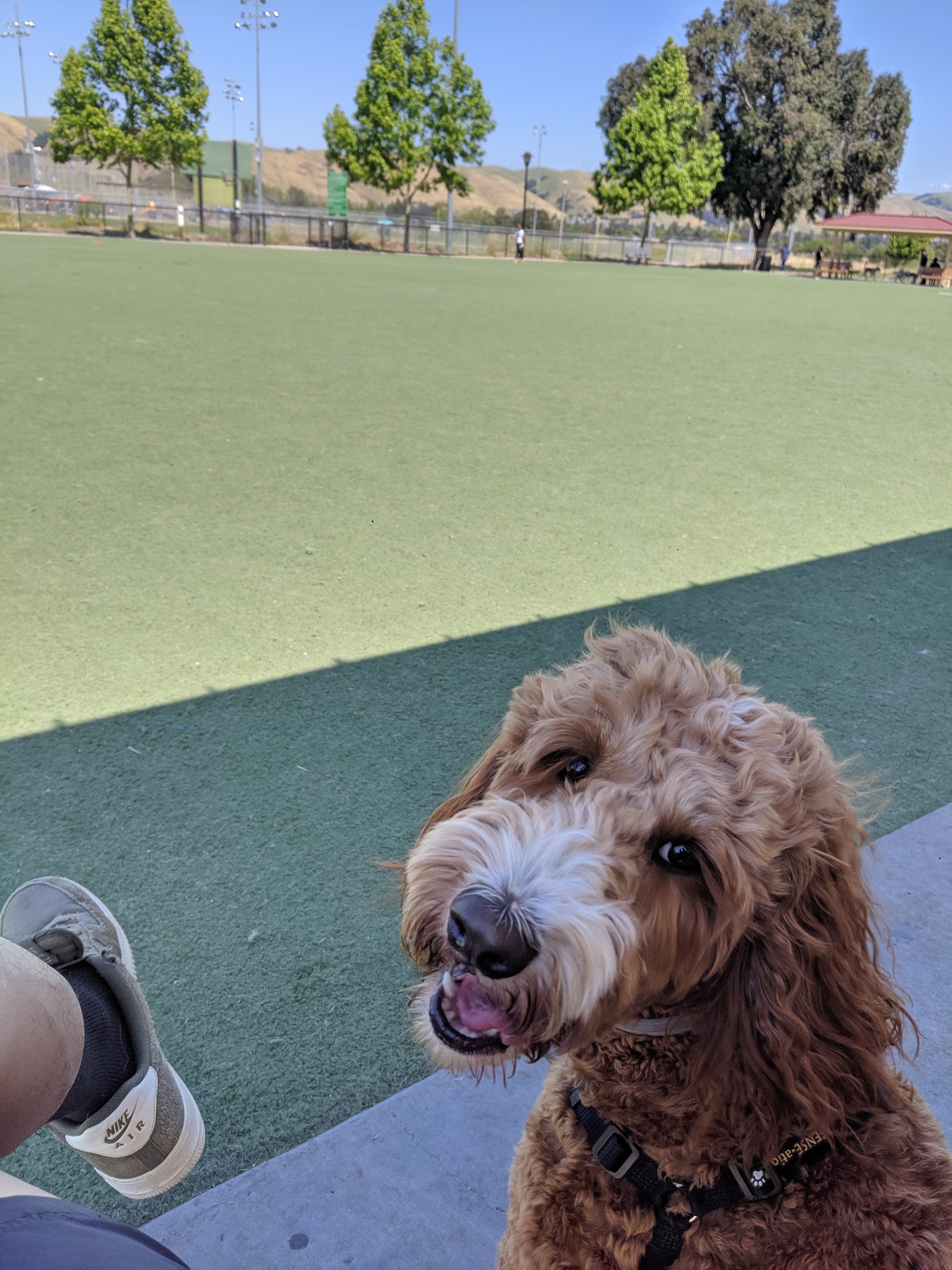
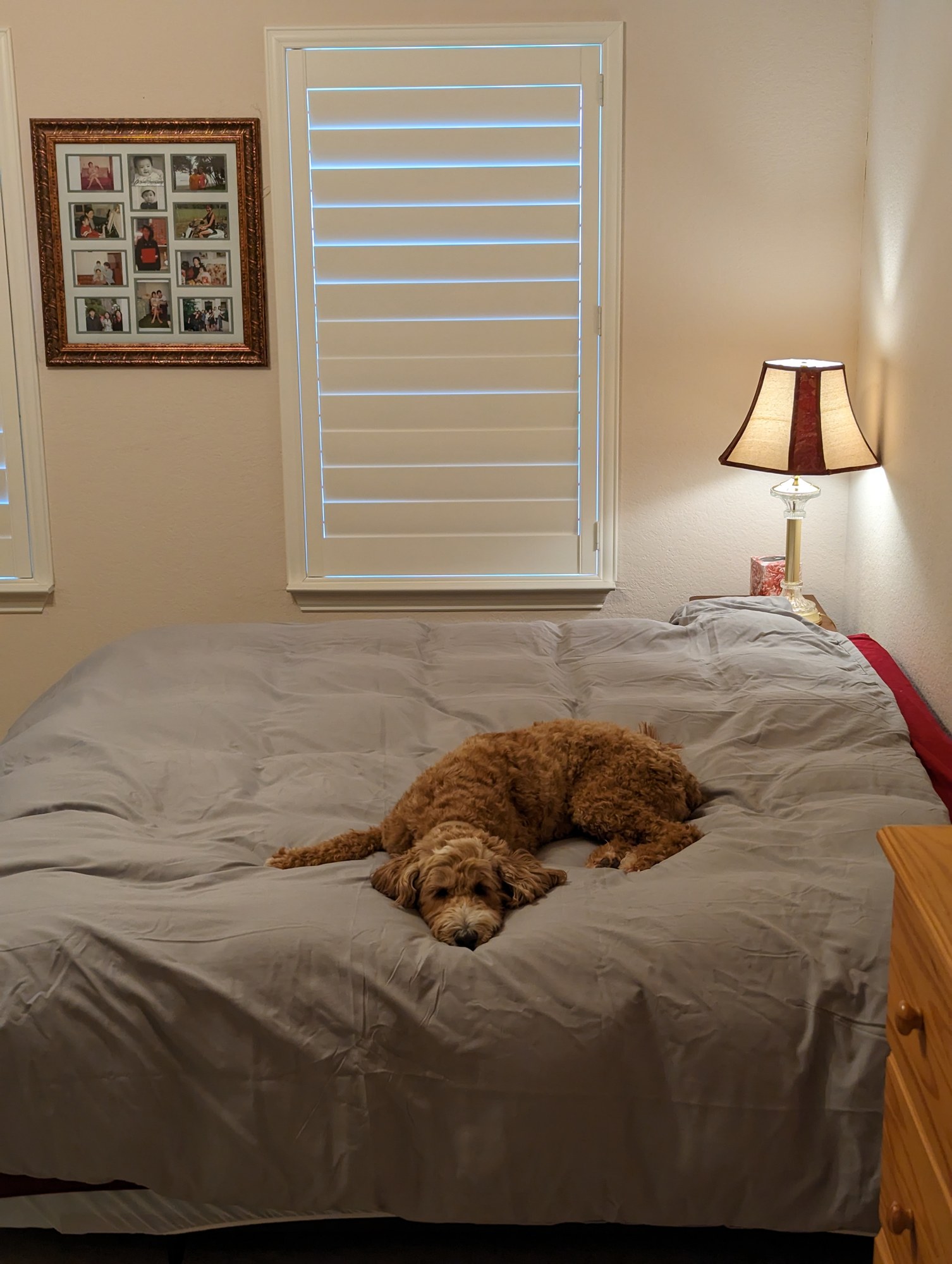
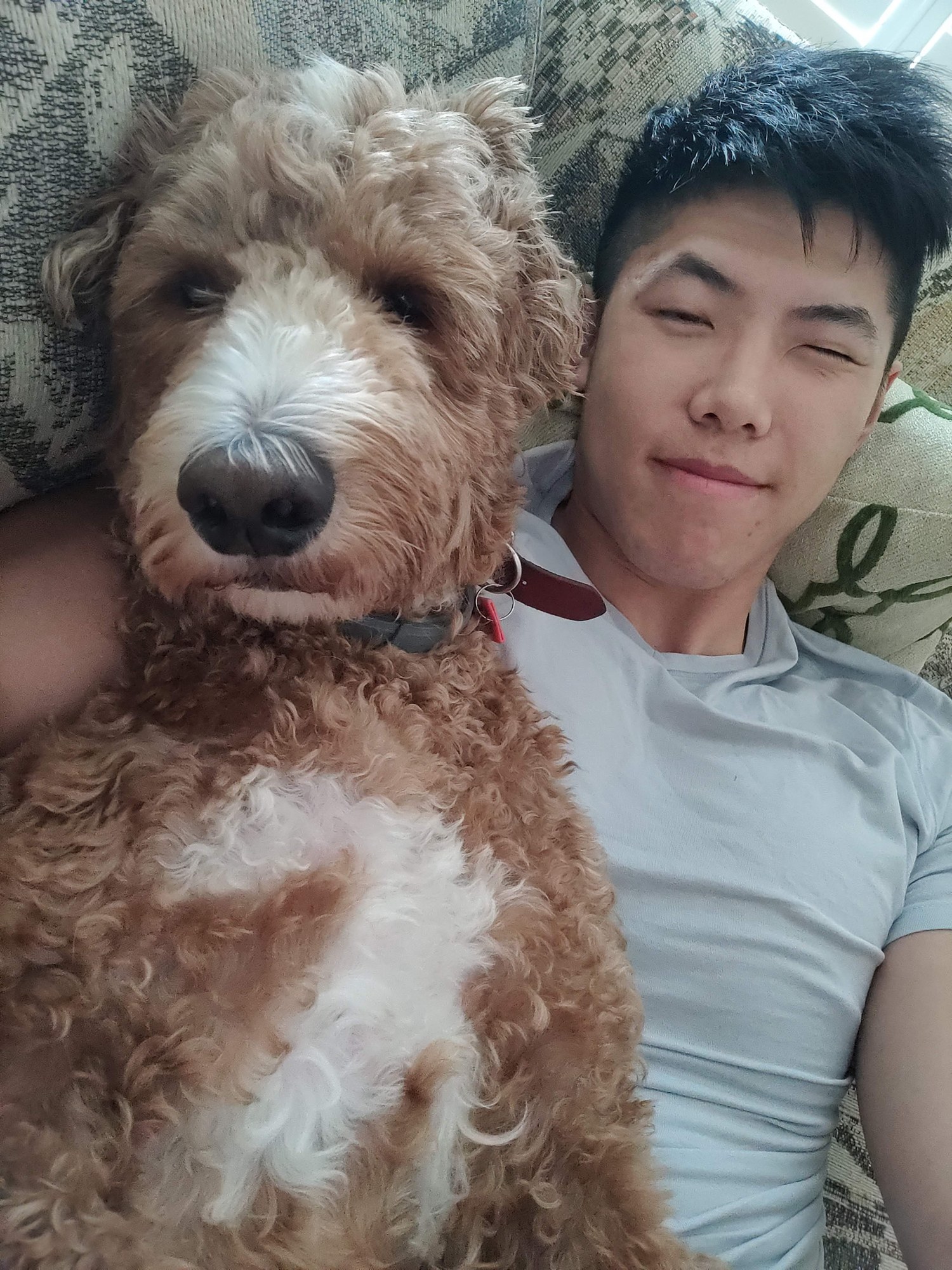
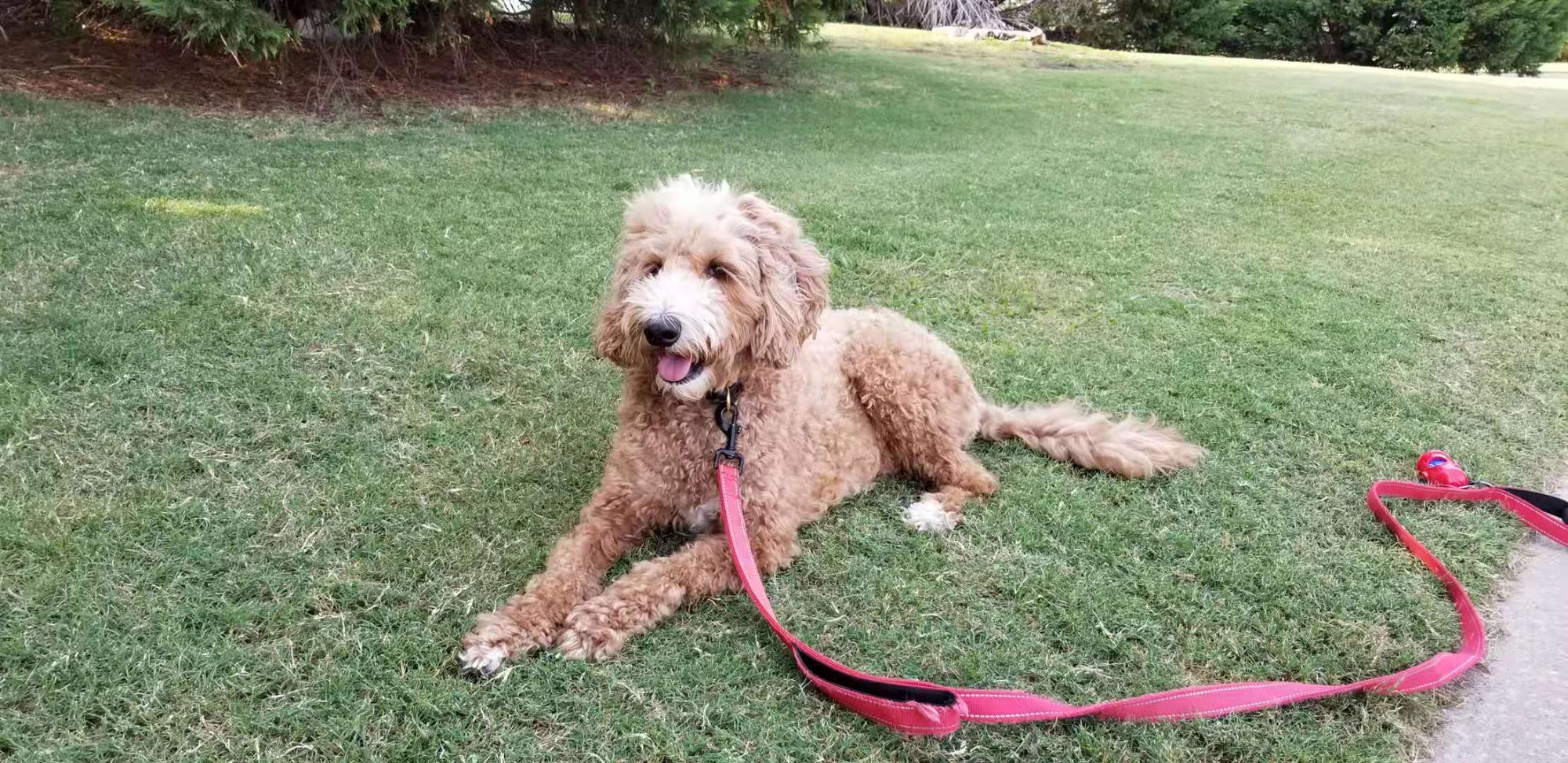
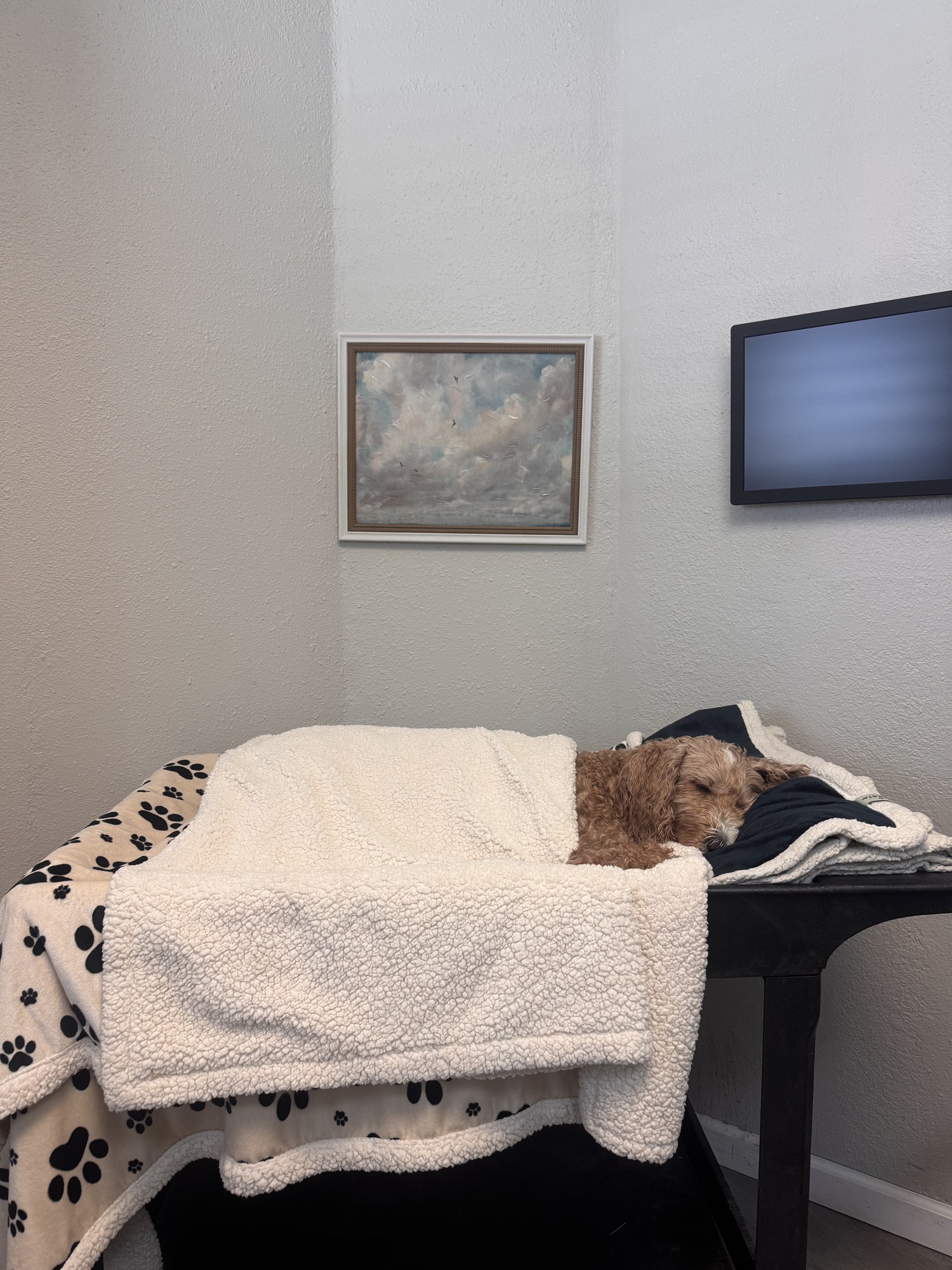
My dog of almost 9 years passed away on August 13th, 2026. This post serves as a chronological memorial essay to celebrate her life. She was an amazing dog, and I will miss her.
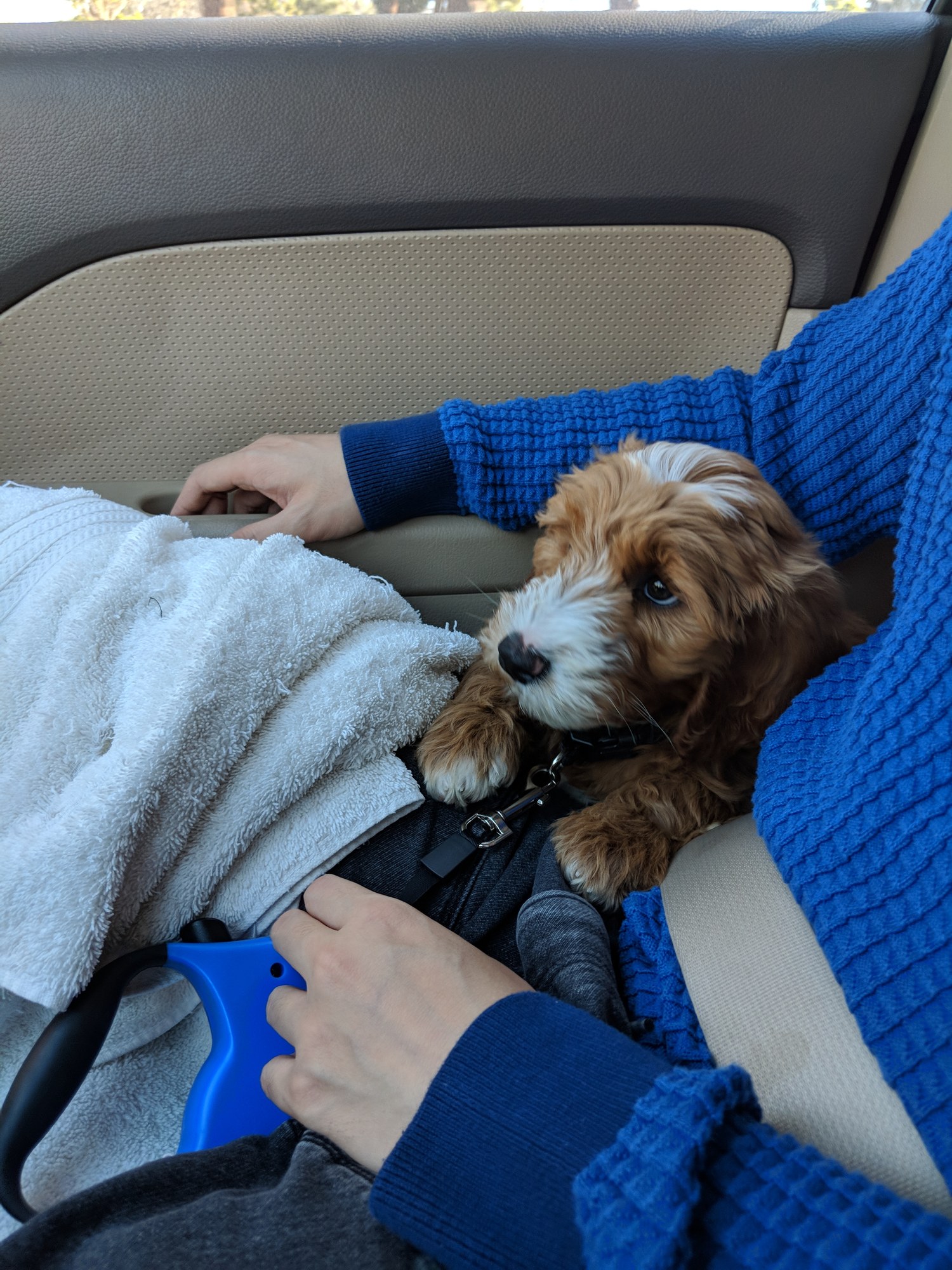
There were two puppies left when we arrived at the breeder’s farm late at night.
One had a white stripe running down her nose. The other had already peed twice in the few minutes we spent watching them. Based on those two pieces of evidence, we chose the puppy with the white stripe.
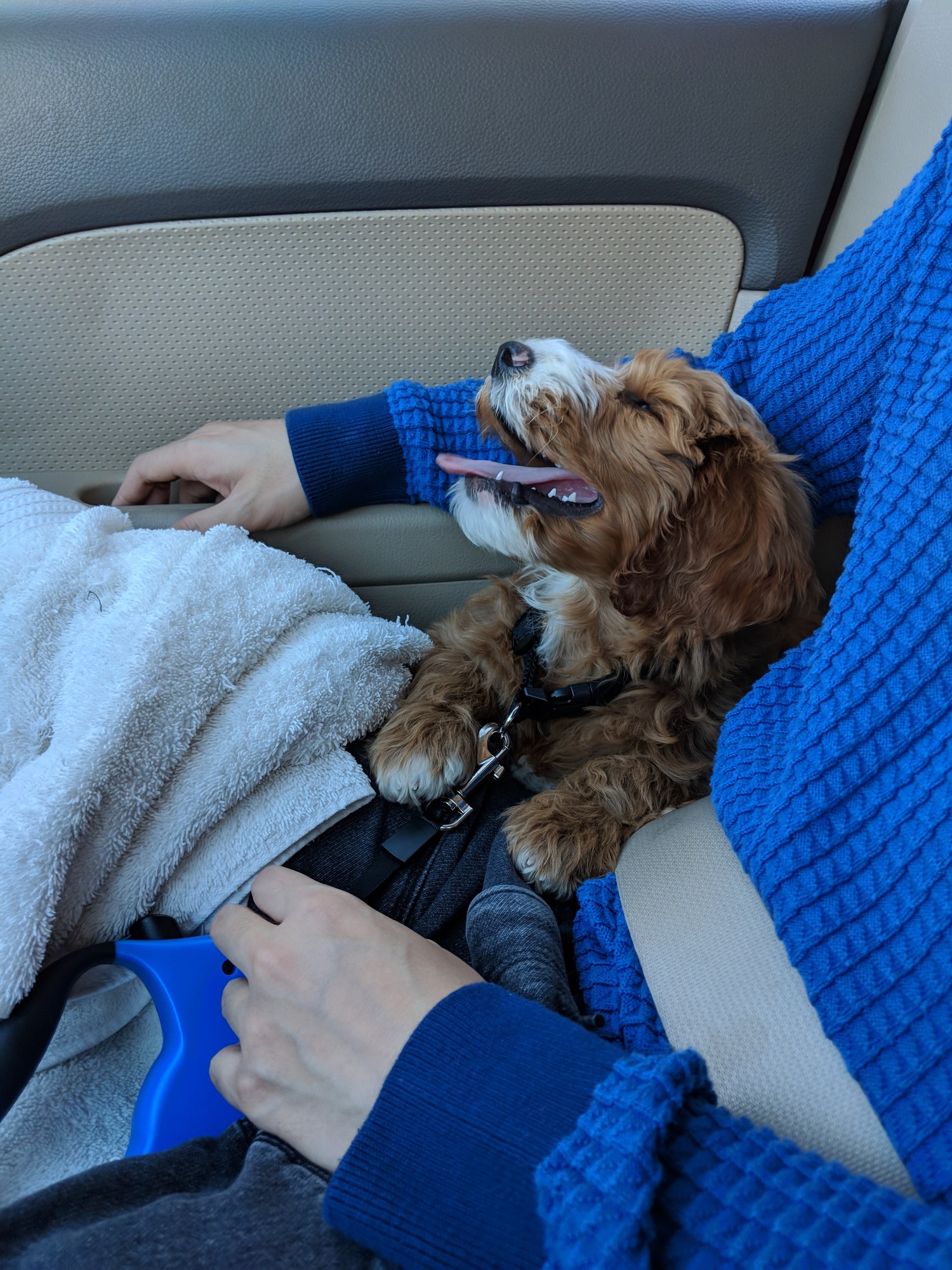
She was a small brown puppy who looked a little like a peanut, so that is what I named her.
Peanut passed away on Thursday, August 13, after almost 9 years together. I was 25 when we got her and now I’m 33. In that time, I went through two breakups, lived in California, Texas, New York, and California again, changed jobs twice, experienced the pandemic, found my current partner, and got engaged. Peanut did not come with me everywhere, but she was there for every chapter over the past 9 years.
I’m writing this to remember her journey and to reflect on what taking care of her meant to me.
Learning Peanut (2017-)
The original idea to get a dog came from my ex-partner. A dog, we thought, might ground our relationship more and deepen our sense of being together. I knew that getting a dog was a big commitment. I considered the decision about as carefully as a 25-year-old with no experience raising a dog could.
Which is to say, not carefully enough.
We enrolled Peanut in puppy school. I became fascinated by dog training: balanced conditioning, timing, consistency, and the religious amount of patience and repetition required to teach a reliable sit, down, stay, come, and more. All puppies have ADHD.
Most of the puppies in class were highly food-motivated, but Peanut was not. This was confusing to me because I thought all dogs loved food and I myself am personally motivated by almost every form of it. But finding a treat that would consistently get Peanut’s attention was a recurring problem.
Our instructor insightfully suggested that a reward did not have to be edible. It could be play. The feedback loop would be slower than a quick munch, but it should still work as a positive reward.
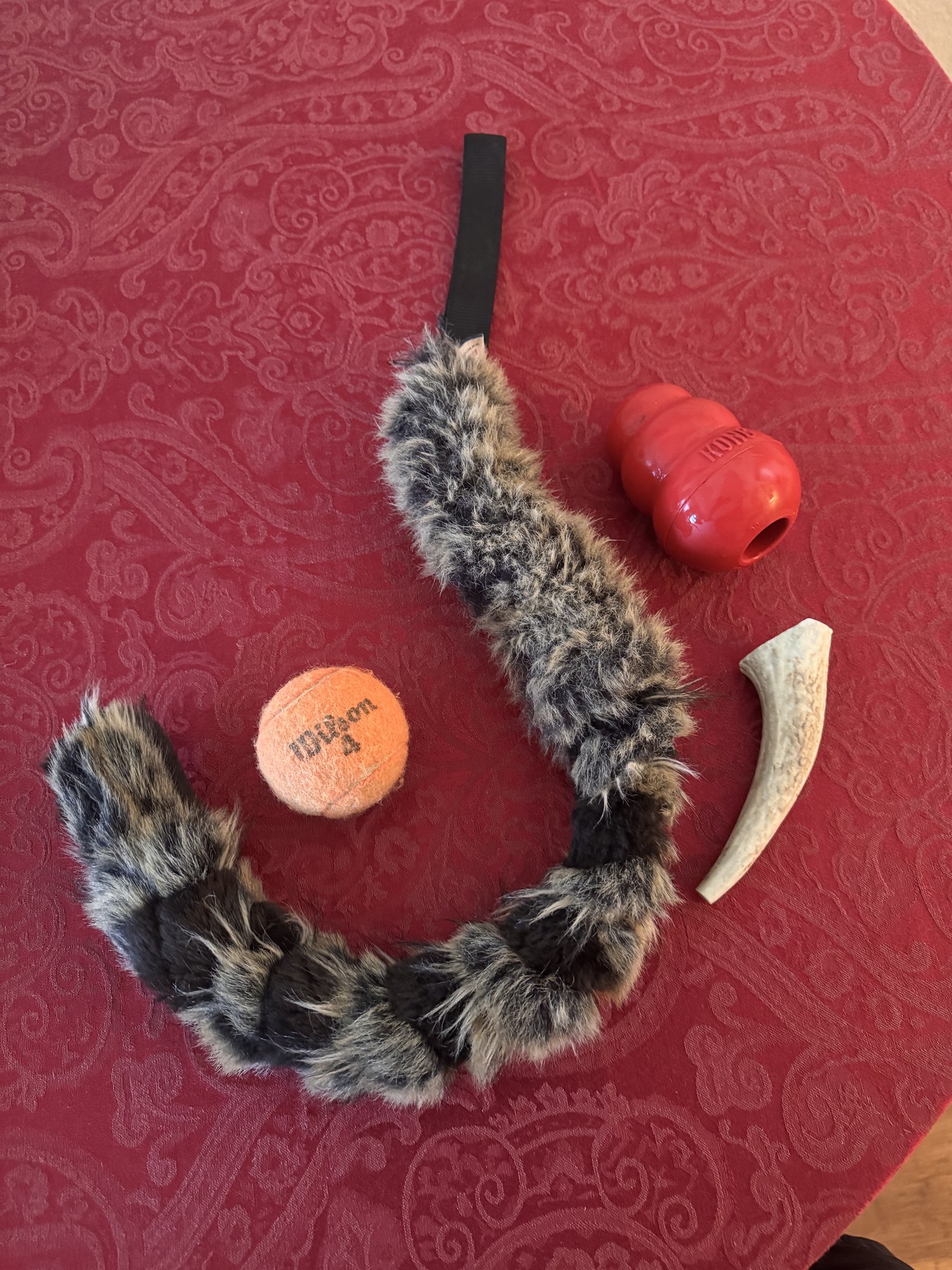
I got a long drag toy that looked like an animal tail. After Peanut successfully followed a command, I would pull it across the floor while she chased it. If she caught it, we would play keep-away and wrestle until she let go. She liked the chase, the catch, and a brief struggle before starting over. She never became interested in conventional tug-of-war (to my despair). That toy remained one of our favorites. The training worked.
One of Peanut’s other favorite objects was an antler. She could sit beside me and chew it for a remarkably long time, which was useful when I brought her to the Google office and needed to do actual work. She loved it so much that I let her chew it too often. Eventually, I realized that the hardness of the antler was damaging her teeth and gums. Plenty of dogs chew antlers without a problem. Maybe Peanut’s gums were unusually sensitive. I still feel guilty about that.
Sometimes you make a mistake while sincerely believing you are doing something good. You notice, adjust, and try not to make the same mistake again.
The Cost of Responsibility
Over time, my ex-partner became less involved in her training and routine. I did most of the walks, vet appointments, and daily care. Eventually when our relationship ended, Peanut stayed with me.
After separating, my life revolved completely around taking care of her by myself. On weekdays, I would wake up at 6AM to feed and walk her in the morning, drive her to dog daycare, commute to work, work a full day, pick her up before daycare closed, drive home, feed her again, eat whatever food I could find (usually leftover food from Google), take her on a night walk, and be in bed by 11PM.
Peanut enforced a very high level of consistency in my life. When I went too far outside our routine, her body would tell me. A skipped meal (not always my fault!) often led to vomiting or diarrhea. Dogs do not care that a workday ran late or that traffic was bad. A dog needs to eat, walk, and sleep at roughly the right times, and therefore so did I.
Taking care of a dog is systematically constraining. I stopped traveling. Going on dates and going out required significantly more planning. Staying late in the city or getting dinner with a friend meant finding someone to watch over her or help with her evening routine. For every spontaneous initiative, I had to answer the question: “What about Peanut?”
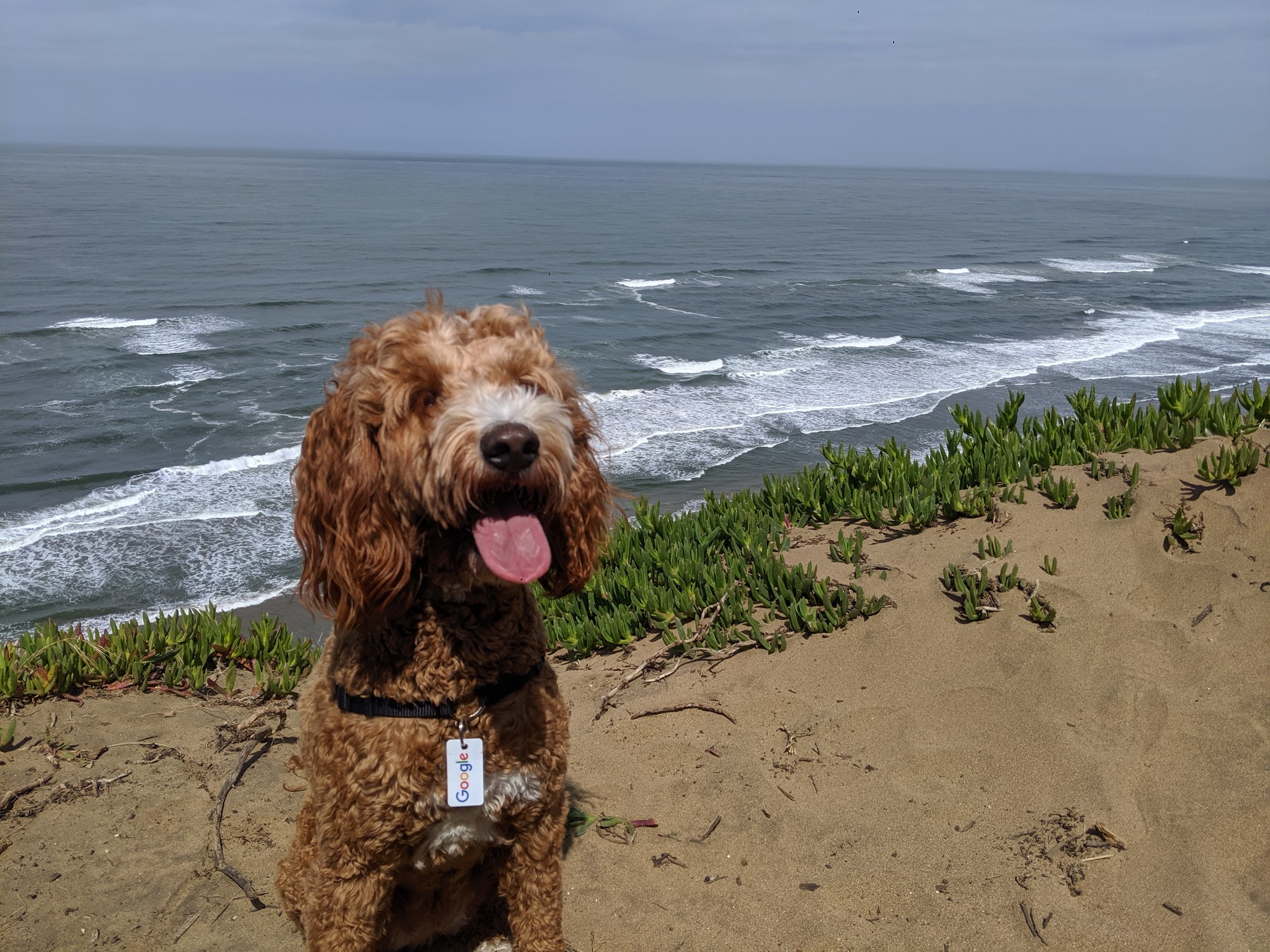
But the work is also where love grows. I learned to enjoy the rhythm we fell into, and both of us became more confident. Peanut learned fetch. I watched her become stronger, faster, and an impressive jumper. On weekends, I would drive us around to explore dog parks, hiking trails, and small beaches around the Bay Area. Fort Funston was a favorite.
Becoming “That Person” (2019-)
After about a year of caring for Peanut on my own, I brought her home to Dallas for Thanksgiving. I was about to spend most of December in Asia, first for EMNLP in Hong Kong and then traveling to Beijing and Shanghai, and my parents had agreed to watch her. The plan was to return from Asia to Dallas for Christmas, then bring her back to California before work resumed in January.
But the trip to Asia was magical. It reminded me of what it felt like to move through the world without constantly accounting for a dog. I could stay out late, travel between cities, and wake up without immediately needing to take anyone on a walk.
When I returned to Dallas, Peanut clearly missed me. But she had also adjusted remarkably well. My parents had settled into taking care of her, and she seemed happy with them.
Before agreeing to get a dog, I had made myself a private promise: I would not become one of those people who adopted a dog, discovered how much work it was, and hand off the responsibility to my parents.
But now I was considering exactly that.
I felt ashamed even raising the question, but I asked my parents whether they might be willing to keep Peanut a little longer. I told them about the promise I had made to myself and how embarrassed I felt asking for their help. They told me not to take it so seriously. Peanut would still be my dog, they said. They assured me that they were genuinely happy to help, and I could bring her back to California whenever I wanted.
Peanut’s Golden Years (2020-2022)
I returned to California in January 2020 without Peanut. But three months later, COVID shut everything down.
It became apparent pretty quickly that living and working remotely by myself in California while everything was shut down didn’t make much sense, so I promptly moved to Dallas to be with Peanut and my parents. For the next two years, Peanut would have three adults at home who loved her.
By then, my parents had already cared for her for four months and had established their own routines. Peanut did well with their consistency. I also walked her, played with her, and helped with her care, but they remained her primary caretakers.
I saw Peanut become more opinionated about her toys. A new squeaker toy could fascinate her, but only if the squeaker was hard to locate. Once she identified where the squeaker was, she would try to bite down with exactly enough pressure to compress it without making a sound. That seemed to be the point of the game. Toys where the squeaker was too easy to find didn’t sustain her interest for very long.
She also had a Kong, a durable rubber toy she could chew without being as hard on her gums as an antler. Even though Peanut was rarely motivated by food, she loved getting peanut butter out of the Kong. It was fitting for her name.
My Life Kept Changing (2022-)
When the pandemic began to recede and the world reopened, I decided to move to New York. Once again, I had to decide whether Peanut should come with me.
I researched dog-friendly apartments and talked through the logistics with friends. Bringing her was possible, but it would substantially limit where I could live, how often I could travel, and what kind of life I could build in New York. My parents reminded me that they were happy to continue caring for her in Dallas, and that Peanut was happy here.
Their offer made me reconsider what being responsible could look like. I could keep taking care of Peanut on my own just to prove that I could. But if my parents were offering real support and freedom during some of the best years of my young adulthood, perhaps the more responsible choice was to accept their help and make the most of it.
I moved to New York without Peanut and made myself a very different promise.
I would work hard, go out often, and strengthen my best friendships. I said yes to experiences ranging from Coachella and Tomorrowland to a long-distance relationship, all things that would have been much harder while caring for Peanut alone.
Every time I returned to Dallas, reuniting with Peanut was a joy. I had a small curriculum of commands that I would run with her to see what she remembered. She always remembered everything.
Even as an older dog, Peanut learned new tricks. During one visit, I taught her “go find it” by hiding a treat among various pillows and couch cushions. I would say she was less a gifted scent tracker than an enthusiastic guess-and-checker, but she became reasonably good at the task all the same.
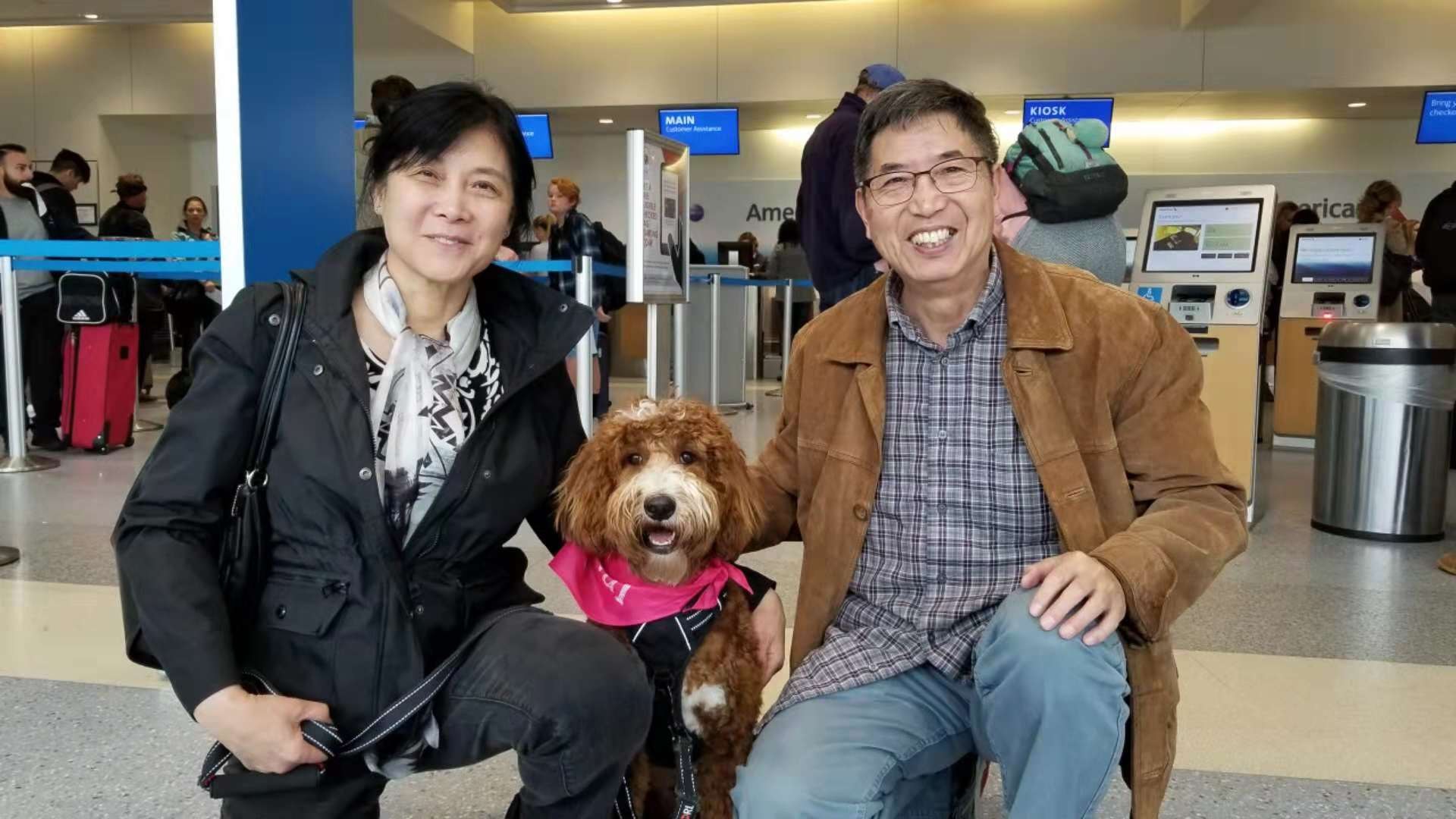
After three years in New York, I moved back to the Bay Area to live with my current partner. On his first visit to my family in Dallas, he saw how I behaved around Peanut and how much shared history we had. He told me later that Peanut helped him understand more fully who I was and how I had become that person. We got engaged this May.
Leaving Peanut in Texas cost me time with her that I will never get back. It also made possible friendships, experiences, and a partnership that now define my life.
The Last Visit (2026)
As Peanut got older, every visit revealed some small change. She ran a little more slowly and could not jump as high. She started getting mysterious growths that were ruled as lipomas, but they were gradually intensifying in color and size. Her deeper coat from her youth started to fade in color. She was still energetic and athletic, but it became harder to ignore the fact that eventually that day would come.
Whenever I tried to imagine it, I became too sad to think about it. I rationalized that there was not much to prepare for anyway and Peanut was alive. I know better now.
On Sunday, August 9th, my parents told me that Peanut had a scratch on her chest that had not healed after several days. They sent photos, and it looked severe enough to need medical attention. She went to the vet on Monday and was prescribed antibiotics and a steroid. Over the next two days, she remained energetic and happy. The wound seemed to be improving, and everything else appeared normal.
Early in the morning on Thursday, August 13th, my mom went to Peanut’s bed to begin their usual routine, but she found her very still. My parents rushed her to the veterinary ER, where she was declared dead on arrival.
We suspect that she had a heart attack early in the morning, but we do not know when and we do not know for sure. A necropsy would have required transporting her body several hours away and subjecting it to procedures we did not want. We decided against it, which means we will never know exactly what happened.
My mom was the person who administered her medicine and took her to the vet. She still replays those final days. Did she give the medicine incorrectly? Should she have pushed the vet to examine Peanut’s heart more closely? Could she have done something differently?
I do not think my parents did anything wrong. Taking care of a dog is hard. Dogs don’t have words. My parents took extraordinary care of Peanut for years. But one of the curses of caring deeply for another life is that the hard questions don’t just disappear when there are no good answers. I hope her questions become quieter with time.
We agreed that Peanut would be cremated. My parents asked if a crematory recommended by the vet could collect her body later that day. I said yes.
I was in California and had a full schedule of meetings at work, some arranged more than a month earlier and others for upcoming urgent deadlines. I decided to stay in work mode and power through the day. The cremation plan seemed reasonable, and I trusted my parents.
But then on my way home from work, I realized that I wanted to see Peanut’s body and say goodbye.
The emergency vet told me that Peanut’s body had already been collected, but the crematory’s office was already closed. I would have to call in the morning.
I booked a red-eye flight to Dallas anyway. After landing, I waited for the office to open. We called and learned, thankfully, that Peanut’s body had not yet been processed. We arranged a viewing for that afternoon.
I feel deeply grateful that I was able to touch her one last time. I patted her head and her body, told her what an incredible dog she had been, and thanked her for being a good girl. We all cried. Her death felt early.
She looked peaceful.
I’m so glad I took the flight.
What Peanut Gave Us
People sometimes describe raising a dog as practice for raising a kid, and I think there’s some truth to that. For example, taking care of a dog forces you to arrange for school and daycare, provide food and exercise, pay for insurance, make medical decisions, teach boundaries, experience thanklessness, and keep showing up consistently even when you are tired or would rather be somewhere else.
In return, dogs give us so much: companionship, comfort, structure, and a reason to become more responsible than we might otherwise be. And yet, despite all the ways that dogs serve us while they live, by teaching us how to care for another life, in their death they serve us still, by teaching us how to deal with loss and grief.
Peanut left my family with one final gift. She gave us a reason to talk about loss.
Because my parents had me when they were a bit older, I was too young to understand what my parents were experiencing when my grandparents died. Peanut’s death brought up some of those memories, and now I’m able to appreciate them more. We talked about other experiences with lost family, and how they have learned to live on.
Grief is an inevitable consequence of loving something that won’t be with us forever. The hard truth is that as we get older, we will encounter more of it. For this, I am grateful for Peanut’s final gift.
She was an amazing dog. I will miss her.
Photos of Peanut